
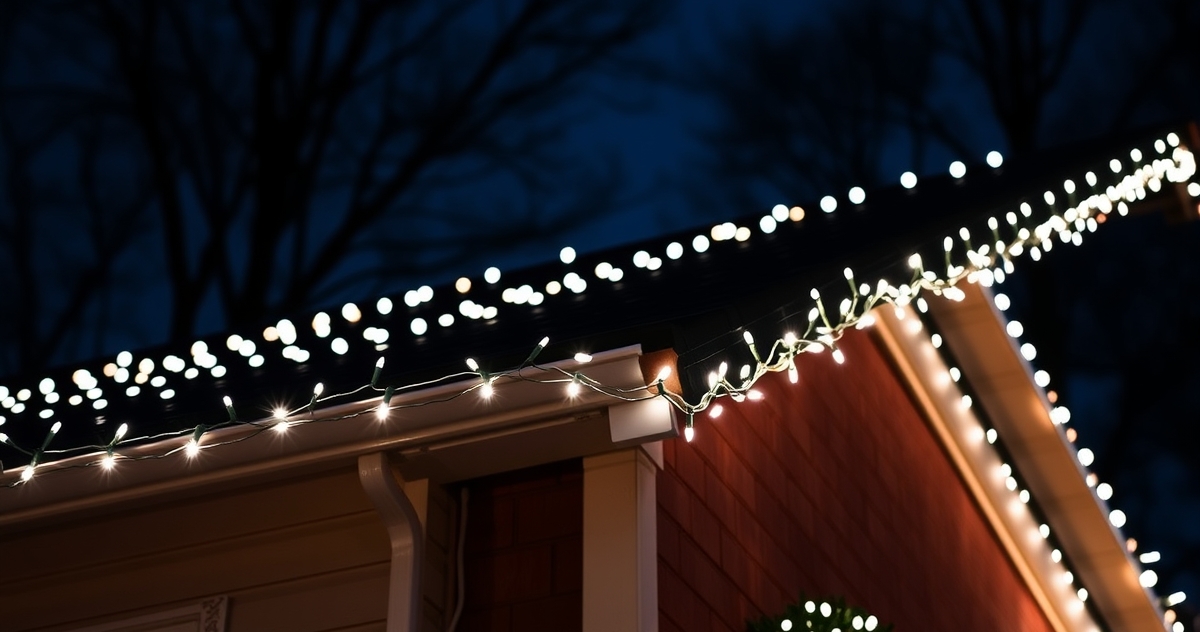
The last warm white C9 bulb has been carefully removed from your roofline, the final strand of mini lights unwrapped from the front yard maple, and your garlands are ready for storage. But your holiday lighting season isn't truly over until you've completed essential spring maintenance for your holiday light infrastructure. What you do in the next few weeks will determine whether next December brings effortless brilliance or frustrating failures.
Post-Winter Inspection Checklist for Holiday Lighting
Pennsylvania winters are notoriously harsh on outdoor lighting systems. March and April present the perfect window for thorough inspection before storing your holiday light infrastructure. Start with a systematic approach that professional installers use to assess equipment condition.
Begin your inspection with C9 bulbs, examining each one individually. Look for hairline cracks in the ceramic or plastic housing—these tiny flaws allow moisture penetration that leads to complete bulb failure. Test each bulb in a working socket, noting any that flicker or produce dim light. Warm white and cool white LEDs should maintain consistent color temperature; any yellowing or color shifting indicates internal component degradation.
Next, inspect your mini light strings with equal attention to detail. Gently run the entire length through your hands, feeling for wire stiffness that indicates cold damage. Pennsylvania's freeze-thaw cycles can make wire insulation brittle, creating potential safety hazards. Pay special attention to connection points where mini light strings were joined—these areas experience the most stress during installation and removal.
Don't overlook your garlands during spring maintenance. Examine the wire frame for bent sections that could affect next season's draping. Check that LED connections remain secure and that no needles or decorative elements have shifted to create bare spots. Quality garlands represent a significant investment, and proper spring inspection extends their lifespan considerably.
Professional Storage Best Practices for Longevity
How you store your holiday light infrastructure during the off-season directly impacts its performance and longevity. Professional lighting companies follow specific protocols that homeowners can easily adapt for residential storage.
Temperature control ranks as the most critical factor in storage success. LED components, particularly in C9 bulbs and mini lights, perform best when stored in environments between 50-80°F with low humidity. Pennsylvania basements often provide ideal conditions, but avoid areas near furnaces or water heaters where temperature fluctuations occur.
Organization prevents damage and saves time during next season's installation. Wrap mini light strings around dedicated storage reels or cardboard forms, never allowing loose coiling that creates knots and wire stress. Store warm white and cool white strands separately, clearly labeled for easy identification. Use original packaging when possible—manufacturers design these containers specifically for their products' protection requirements.
For C9 bulb storage, individual compartmentalization prevents damage from contact and vibration. Professional installers use divided plastic containers with foam padding, organizing by color and style. This method virtually eliminates breakage while keeping inventory visible and accessible.
Garland storage requires special consideration for maintaining shape and preventing needle loss. Hang garlands in cool, dry areas when space permits, or carefully wrap in breathable fabric before placing in storage containers. Never compress garlands under heavy items—this creates permanent deformation that affects next season's appearance.
Early Planning Advantages for Next Season
Smart property owners recognize that spring maintenance extends beyond equipment care to include strategic planning for next season's holiday lighting displays. April through June represents the optimal planning window when professional installers have availability for consultations and design development.
Begin by documenting this year's successes and challenges while details remain fresh. Which warm white C9 configurations created the most dramatic roofline impact? Where did mini light installation prove difficult or time-consuming? How did your garlands perform on the front porch railings throughout the season? These observations inform better decisions for next year's display.
Consider residential lighting upgrades that enhance both functionality and visual appeal. LED technology continues advancing, offering improved color consistency and energy efficiency. Spring presents the perfect time to research new products and plan gradual system upgrades that spread costs across multiple seasons.
Professional design consultation during spring maintenance season provides significant advantages. April through June consultation schedules remain flexible, allowing thorough discussion of ideas and detailed planning. Early booking often includes pre-season discounts and guarantees preferred installation dates for busy November schedules.
Equipment Replacement and Upgrade Strategies
Spring maintenance reveals which components need replacement before next season begins. Rather than emergency purchases in November, strategic spring equipment acquisition ensures availability and often provides cost savings.
LED technology improvements make certain upgrades worthwhile even when existing equipment remains functional. Newer warm white and cool white LEDs offer enhanced color consistency and longer lifespans than products from just five years ago. C9 bulbs now feature improved weather sealing and impact resistance specifically designed for Pennsylvania's challenging climate conditions.
Inventory your existing equipment against next season's planned displays. If you're expanding coverage area or adding new decorative elements, spring purchasing avoids the limited selection and premium pricing common during peak season. Many suppliers offer significant discounts on previous year's inventory during spring months.
Consider investing in higher-grade mini lights if your current strings showed premature failure or inconsistent performance. Professional-grade products cost more initially but provide superior reliability and longevity, ultimately reducing long-term replacement costs.
Integration with Year-Round Landscape Lighting
Forward-thinking property owners recognize opportunities to integrate holiday lighting infrastructure with year-round landscape illumination systems. Spring maintenance provides the perfect time to evaluate these possibilities and plan integrated installations.
Permanent mounting systems eliminate annual installation labor while protecting equipment from handling damage. Well-designed permanent infrastructure accommodates both subtle year-round lighting and dramatic holiday displays without compromising either application's effectiveness.
Consider pathway lighting integration that serves dual purposes throughout the year. Mini light installations along walkways and garden borders provide subtle year-round accent lighting while transforming into bold holiday displays with seasonal bulb changes and additional decorative elements.
Professional consultation during spring maintenance can identify opportunities for custom design solutions that maximize your investment's year-round value. Integrated systems often prove more cost-effective than separate seasonal and permanent installations when planned comprehensively from the beginning.
Frequently Asked Questions
How long should I wait after removal before starting spring maintenance on my holiday lights?
Wait at least 24-48 hours after removal to allow equipment to reach room temperature, especially if stored in cold areas during the season. This prevents condensation damage during inspection and ensures accurate assessment of component condition. LED lights are particularly sensitive to rapid temperature changes during the inspection process.
What's the most common mistake homeowners make during holiday light storage?
Coiling mini lights too tightly creates wire stress and connection failures. Professional installers recommend using storage reels or figure-eight wrapping techniques that maintain gentle curves. Additionally, many homeowners store different light types together, leading to tangling and damage. Keep C9 bulbs, mini lights, and garlands in separate, clearly labeled containers.
When should I start planning for next season's holiday lighting display?
April through June represents the optimal planning window for next season's displays. This timing allows for thorough consultation with professional installers, equipment procurement at off-season prices, and design development without the pressure of approaching deadlines. Early planning also ensures preferred installation dates during the busy November schedule.
How do I know when it's time to replace my holiday lighting equipment?
Replace LED strings when more than 10% of individual lights fail or show color inconsistency. C9 bulbs should be replaced when housing shows cracks or impact damage, regardless of functionality. Garlands need replacement when wire frames lose shape permanently or when significant needle loss creates bare spots that affect appearance.
Should I clean my holiday lights before storage?
Yes, gentle cleaning removes salt residue, dirt, and debris that can cause corrosion during storage. Use mild soap and water for most components, ensuring complete drying before storage. Avoid harsh chemicals or pressure washing, which can damage LED components and wire insulation. Clean equipment lasts significantly longer than neglected lighting systems.
Proper spring maintenance for your holiday light infrastructure ensures years of reliable, beautiful seasonal displays while protecting your investment in quality equipment. Professional installation and maintenance services can handle these tasks efficiently, providing expertise that maximizes equipment lifespan and performance. Contact Holiday Lights Decor Pennsylvania at (908) 336-2625 to discuss comprehensive maintenance and planning services that keep your property's holiday lighting display at its stunning best year after year.