
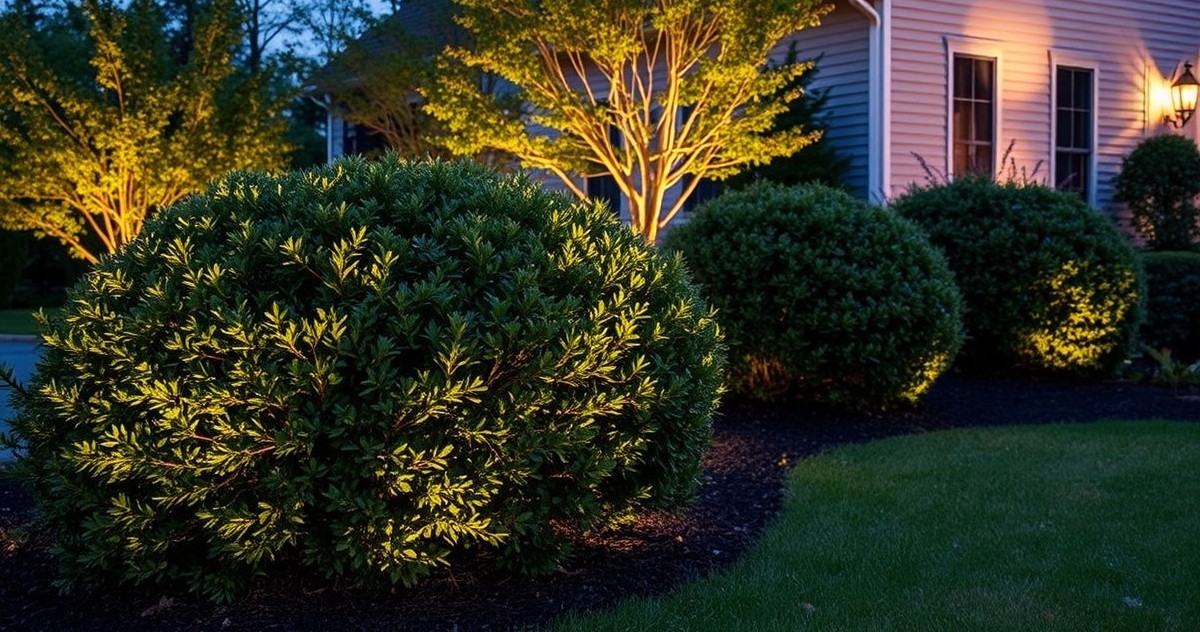
The frost-kissed boxwoods lining your Pennsylvania driveway glow softly with warm white mini lights, each branch perfectly outlined against the December snow. This magical transformation doesn't happen by accident — it's the result of careful technique, proper spacing, and understanding how different shrub shapes respond to lighting design.
Professional bush and shrub lighting transforms ordinary landscaping into extraordinary holiday displays. Whether you're illuminating the foundation plantings around your colonial home or creating dramatic focal points with specimen shrubs, mini lights offer the versatility and elegance that Pennsylvania homeowners love.
Understanding Mini Light Applications for Pennsylvania Shrubs
Mini lights excel where larger bulbs would overwhelm delicate foliage. These smaller string lights create intimate, detailed illumination that enhances rather than dominates your landscape design. In Pennsylvania's diverse climate, where shrubs range from hardy junipers to delicate azaleas, mini lights provide the gentle touch needed to complement natural beauty.
The key difference between amateur and professional installations lies in understanding light distribution. While homeowners often think more lights equal better results, professional installers know that proper spacing and strategic placement create more impactful displays with fewer strings.
Warm white mini lights remain the most popular choice for Pennsylvania landscapes, offering timeless elegance that complements both traditional and contemporary home styles. However, multicolor mini lights can create playful, festive displays perfect for family-oriented neighborhoods or whimsical garden themes.
Proper Wrapping Techniques for Different Shrub Shapes
Each shrub shape requires a unique approach to achieve optimal coverage and visual impact. Understanding these techniques separates professional-quality installations from amateur attempts.
Globular Shrubs (Boxwood, Privet, Holly)
Round or globe-shaped shrubs benefit from the "spiral wrap" technique. Start at the base and work upward in gentle spirals, maintaining consistent spacing between wraps. For a 3-foot boxwood, plan on 4-5 complete spirals with approximately 6-8 inches between each revolution.
The secret lies in following the natural branch structure. Don't force lights against the grain — instead, let the mini light strings nestle naturally into the shrub's architecture. This creates depth and prevents the "Christmas ball" effect where lights only outline the outer surface.
Columnar Shrubs (Arborvitae, Juniper, Yew)
Vertical shrubs require vertical emphasis. Use the "ladder technique" — create parallel vertical lines of lights from base to top, then connect these lines with horizontal wraps every 12-18 inches. This method enhances the shrub's natural height while providing full coverage.
For columnar shrubs exceeding 6 feet, consider zone lighting. Illuminate the bottom third heavily, the middle third moderately, and the top third with accent lighting. This creates visual weight at the foundation while maintaining the shrub's elegant proportions.
Spreading Shrubs (Spirea, Forsythia, Weigela)
Wide, spreading shrubs with multiple stems require the "branch following" method. Trace individual branches from the center outward, allowing lights to follow natural growth patterns. This technique works exceptionally well with deciduous shrubs where branch structure is visible during winter months.
Start with main branches and work toward smaller offshoots. Avoid crossing light strings between different branch systems — this creates tangled messes that are impossible to maintain properly.
Light Spacing for Optimal Coverage
Professional installers use specific ratios to determine lighting density. The goal is complete coverage without waste or overwhelming brightness.
For dense evergreen shrubs like boxwood or holly, plan approximately 100 mini lights per foot of shrub height. A 4-foot specimen would require roughly 400 lights, typically achieved with two 200-count strings. This density ensures no dark spots while maintaining natural appearance.
Open-growth shrubs like spirea or rose bushes require fewer lights — approximately 75 lights per foot of height. The more open structure allows light to penetrate deeper, requiring less surface coverage to achieve full illumination.
Distance between wraps varies by shrub type:
- Dense evergreens: 4-6 inches between spirals
- Medium density shrubs: 6-8 inches between wraps
- Open-growth varieties: 8-12 inches between major lighting runs
Remember that mini lights create cumulative brightness. What appears dim during installation often becomes perfectly balanced once the entire display is energized.
Installation Best Practices for Pennsylvania Conditions
Pennsylvania's variable climate — from Philadelphia's humid summers to the Pocono Mountains' harsh winters — demands specific installation considerations.
Always use outdoor-rated mini light strings with proper insulation and weather seals. LED mini lights perform better in cold temperatures and consume 80% less energy than incandescent alternatives, making them ideal for Pennsylvania's lengthy winter seasons.
Secure lights using plastic clips specifically designed for branches — never staple or nail into living wood. The expansion and contraction from Pennsylvania's freeze-thaw cycles can damage both lights and shrubs if improperly attached.
Plan installation during mild weather periods. October and early November provide optimal conditions before harsh winter weather arrives. This timing also allows shrubs to settle into their winter dormancy without stress from extensive handling.
Consider your home's architectural style when choosing light colors. Colonial and traditional homes benefit from warm white mini lights that complement classic design elements. Contemporary homes can showcase cool white or even multicolor displays for more dramatic impact.
Seasonal Maintenance for Year-Round Beauty
Professional-quality bush and shrub lighting requires ongoing maintenance to maintain optimal performance throughout Pennsylvania's demanding seasons.
Mid-Season Adjustments
Check installations monthly during the display season. Ice storms and heavy snow can shift light strings, creating gaps in coverage. Gently reposition lights without forcing them into new positions — damaged branches affect both current and future growing seasons.
Replace burnt-out bulbs immediately. Modern LED mini lights often feature individual bulb replacement, but older incandescent strings may fail entirely when single bulbs burn out.
Storage and Off-Season Care
Proper storage extends mini light lifespan significantly. Remove lights carefully in early January, testing each string before storage. Wind strings around sturdy cardboard or specialized light storage reels — never stuff them randomly into boxes.
Store in cool, dry locations away from rodents who may chew through wire insulation. Basements, climate-controlled garages, or dedicated storage sheds work well for Pennsylvania conditions.
Shrub Health Considerations
Monitor shrub health throughout the lighting season. Excessive heat from incandescent bulbs can stress evergreen foliage, particularly during mild winter periods. LED mini lights eliminate this concern while providing superior color consistency.
Avoid tight wrapping that constricts branch growth. Young shrubs continue growing even during winter dormancy, and overly tight light strings can cause permanent damage.
Professional Design Considerations
Creating cohesive landscape lighting requires understanding how individual shrub installations contribute to overall design themes.
Layer lighting depths by varying shrub heights and light densities. Place heavily illuminated specimens as focal points while using lighter coverage on background plantings. This creates visual hierarchy that guides viewers through your landscape design.
Consider sight lines from inside your home. Residential installations should complement interior views, particularly from main living areas and bedrooms. Position brightest displays where they're most visible from key windows.
Coordinate with other landscape elements like pathway lighting, tree wrapping, and architectural accent lighting. Professional tree wrapping techniques can complement shrub lighting for unified landscape themes.
Frequently Asked Questions
How many mini lights do I need for a typical foundation planting?
Plan approximately 100 mini lights per linear foot of dense shrub coverage, or 75 lights per foot for open-growth varieties. A 20-foot foundation planting with mixed boxwoods and hollies typically requires 1,800-2,000 mini lights total.
Can I leave mini lights on shrubs year-round in Pennsylvania?
While LED mini lights can physically withstand year-round installation, it's best to remove them after the holiday season. This allows shrubs to grow naturally and prevents lights from becoming embedded in expanding branches. Summer heat and UV exposure also degrade wire insulation over time.
What's the best way to handle ice damage to lighted shrubs?
Never attempt to remove ice or break ice-covered branches. Allow natural melting to occur, then gently reposition any displaced light strings. Ice damage usually affects light positioning rather than the shrubs themselves, which are naturally adapted to Pennsylvania's winter conditions.
Should I use warm white or multicolor mini lights for my landscape?
Warm white mini lights provide timeless elegance and complement most Pennsylvania home styles, from colonial to contemporary. Multicolor lights work best for family-oriented displays or specific theme gardens. Consider your neighborhood's overall aesthetic and your home's architectural style when making this choice.
How do I prevent mini lights from damaging delicate shrub branches?
Use proper branch clips instead of wire ties, avoid overwrapping thin branches, and never force lights into unnatural positions. LED mini lights generate minimal heat and weight compared to older incandescent versions, making them safer for delicate plantings like azaleas or small ornamental shrubs.
Professional bush and shrub lighting transforms Pennsylvania landscapes into winter wonderlands that neighbors admire and families treasure. Whether you're planning a simple foundation display or an elaborate landscape showcase, proper technique ensures stunning results that last throughout the season. For complex installations or large-scale projects, consider professional installation services that guarantee perfect results and proper maintenance throughout the display season. Contact us for a consultation and discover how expert mini light installation can elevate your holiday landscape design.