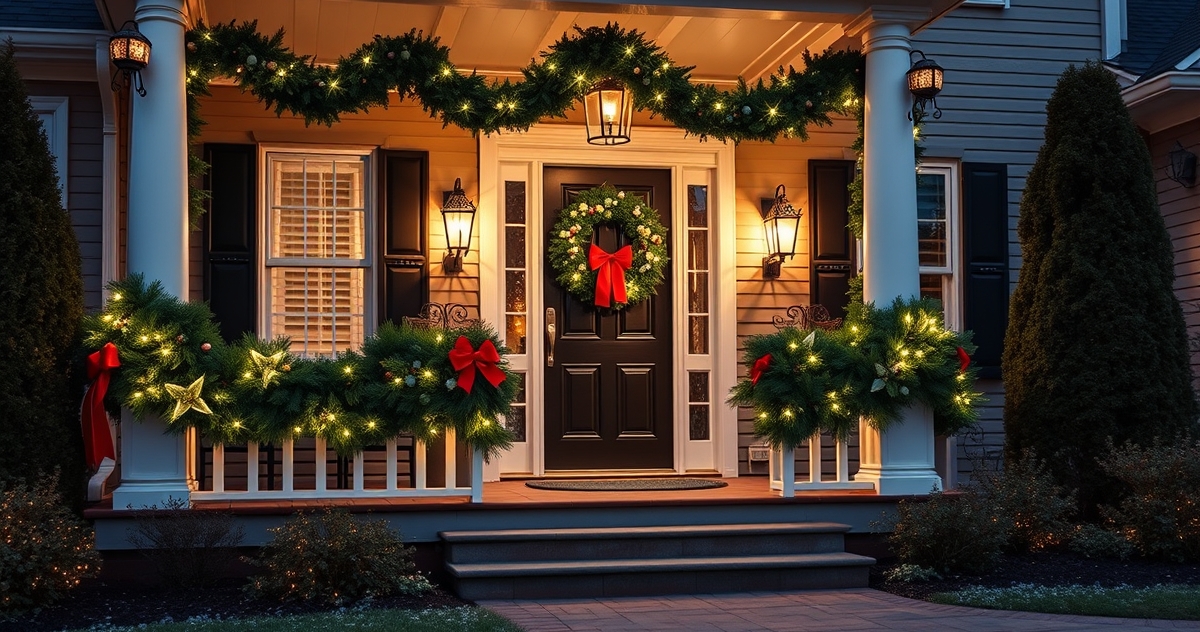
The nor'easter hits at 2 AM on Christmas Eve. By morning, half your roofline C9 bulbs are shattered, garlands hang in tatters, and thousands of mini lights flicker their last breath. This scene plays out across Pennsylvania every winter because homeowners underestimate how brutal Keystone State weather can be on holiday lighting investments.
Professional holiday lighting installers know that Pennsylvania weather doesn't just affect your lights during December — it impacts them year-round. From the scorching summers that degrade LED components to the ice storms that snap branches and pull down displays, every season presents unique challenges for protecting your lighting investment.
Understanding Pennsylvania's Seasonal Assault on Holiday Lights
Pennsylvania's continental climate delivers a perfect storm of conditions that can devastate holiday lighting. Summer temperatures regularly exceed 90°F, creating thermal stress on LED drivers and plastic housings. Humidity levels spike during July and August, accelerating corrosion in electrical connections. Then winter arrives with its own arsenal: ice storms coat everything in destructive weight, wind gusts exceed 40 mph during nor'easters, and freeze-thaw cycles stress every mounting point.
The financial impact adds up quickly. A typical residential holiday lighting installation ranges from $1,200 to $5,000. When weather destroys components, replacement costs aren't just about new bulbs — it's labor for removal, disposal of damaged materials, and reinstallation time. Smart protection strategies prevent these cascading expenses.
Professional installations factor in Pennsylvania's weather patterns from day one. We use commercial-grade mounting systems, weather-resistant connections, and strategic placement that works with natural forces rather than against them. This approach has protected client investments through some of Pennsylvania's worst storms, including the 2016 blizzard that dumped 30 inches of snow and the 2021 ice storm that left half a million without power.
Ice Storm Protection: Engineering Your Display for Weight and Impact
Ice storms represent the greatest single threat to Pennsylvania holiday lighting. When freezing rain coats every surface, the weight increase can be catastrophic. A single strand of warm white C9 bulbs weighs approximately 8 pounds per 100 feet. Add half an inch of ice, and that weight triples to 24 pounds — enough to snap gutter systems and pull mounting hardware from fascia boards.
The key to ice storm survival lies in redundant mounting systems and strategic slack management. Professional installers never rely on a single attachment point. Instead, we create distributed load systems using clips spaced every 18 inches along rooflines, with additional support cables for spans longer than 20 feet. This approach ensures that if one mounting point fails, the load redistributes rather than creating a catastrophic cascade failure.
Garland installations require special consideration during ice events. Traditional garland draping creates natural collection points for ice accumulation. We combat this by using tensioned support cables hidden within the garland, creating a structural backbone that maintains shape and prevents sagging. The garlands maintain their elegant drape while the internal support system handles the additional ice weight.
For mini light installations on trees and shrubs, ice protection involves understanding branch flexibility and load limits. Rigid mounting creates stress concentration points where branches snap. Instead, we use flexible mounting systems that allow branches to move naturally under ice loads while maintaining electrical connections. Cool white mini lights wrapped with appropriate tension can flex with ice-loaded branches and return to original position when the ice melts.
Summer Heat Management: LED Longevity in Pennsylvania's Thermal Extremes
Pennsylvania summers create thermal challenges that most homeowners never consider. When ambient temperatures reach 95°F, surfaces in direct sunlight can exceed 140°F — well beyond the optimal operating range for LED components. This thermal stress doesn't just affect performance during summer months; it degrades the lights that will be used for holiday displays.
LED degradation follows predictable patterns based on operating temperature and duration. For every 18°F increase in junction temperature, LED lifespan decreases by half. This means C9 LED bulbs stored in a 120°F attic during July will experience accelerated degradation equivalent to months of normal operation. Professional storage and thermal management can extend LED life by 300% or more.
Heat management starts with storage location selection. Basements maintain relatively stable temperatures year-round, typically staying between 55-65°F even during Pennsylvania's hottest summers. Contrast this with attic storage, where temperatures routinely exceed 130°F, creating an oven effect that systematically destroys LED drivers and phosphor coatings.
For permanent installations that remain in place year-round, thermal design becomes critical. South-facing rooflines receive the most intense solar radiation, making them the worst locations for heat-sensitive components. Professional installations consider solar exposure patterns, using heat-resistant mounting systems and ensuring adequate air circulation around LED drivers.
Color selection also impacts thermal performance. Darker colored lights absorb more solar radiation than lighter colors. Red and green LEDs typically run hotter than warm white or cool white varieties due to the additional thermal load from color conversion processes. This doesn't mean avoiding colored lights, but rather understanding their thermal requirements and designing installations accordingly.
Wind Resistance: Engineering Displays for Pennsylvania Gusts
Pennsylvania's location at the intersection of multiple weather patterns creates frequent high-wind conditions. Spring storms bring sustained winds of 30-40 mph with gusts exceeding 60 mph. Winter nor'easters combine high winds with precipitation, creating the worst possible conditions for exposed holiday displays.
Wind resistance engineering starts with understanding aerodynamic loads. A 100-foot run of professional garland creates approximately 15 square feet of surface area. In a 40 mph wind, this generates nearly 100 pounds of lateral force — enough to pull inadequately anchored displays from mounting points.
Professional wind resistance strategies use three key principles: reducing surface area, increasing mounting density, and creating controlled failure points. Reducing surface area means designing displays that present minimal profile to prevailing winds. Pennsylvania's prevailing winds come from the west and northwest, so installations on east-facing surfaces naturally receive some protection from the building structure itself.
Mounting density refers to the spacing between attachment points. Amateur installations often use clips spaced 24-36 inches apart, which creates excessive span lengths under wind loads. Professional installations use clips every 12-18 inches, with additional intermediate supports for high-wind exposure areas. This approach distributes loads across more mounting points, reducing stress on individual connections.
Controlled failure points prevent catastrophic damage during extreme weather events. Rather than designing systems that resist all possible wind loads (which would be prohibitively expensive), professional installations include planned failure modes that allow displays to detach safely rather than causing structural damage to buildings. Quick-release clips and breakaway connectors enable displays to separate cleanly during extreme events, protecting both the lighting investment and building structure.
Seasonal Maintenance Strategies for Year-Round Protection
Protecting holiday lighting investments requires year-round attention, not just pre-installation preparation. Each season brings specific maintenance requirements that, when followed consistently, can triple the lifespan of quality lighting installations.
Spring maintenance focuses on damage assessment and system restoration. Pennsylvania's freeze-thaw cycles create micro-movements in mounting hardware that can loosen connections over time. Professional spring inspections check every mounting point, tighten hardware that has worked loose, and replace any components showing weather damage. This is also the ideal time for planning new installations or modifications to existing displays.
Summer maintenance emphasizes thermal protection and storage management. Lights removed after the holiday season require proper cleaning, inspection, and storage. Professional-grade storage containers protect against humidity, temperature extremes, and rodent damage. Each strand gets individually tested before storage, with failed bulbs replaced and connections cleaned with dielectric grease.
Fall preparation involves comprehensive system testing and weatherproofing updates. All electrical connections get inspected and refreshed with new weatherproof connectors where needed. This is when professionals identify potential failure points before the stress of winter weather, allowing for repairs during mild weather rather than emergency service calls during storms.
Winter maintenance focuses on monitoring and rapid response to weather events. Professional services include post-storm inspections and immediate repairs to prevent minor damage from becoming major problems. This proactive approach has saved clients thousands of dollars in replacement costs by addressing issues before they cascade through entire displays.
Professional Installation Advantages for Weather Protection
While homeowners can implement many weather protection strategies, professional installation provides access to commercial-grade materials and techniques that aren't available through retail channels. Professional installers use mounting hardware designed for commercial applications, with load ratings that far exceed residential requirements.
Professional installations also benefit from bulk purchasing power for replacement components. When weather damage occurs, professionals can source exact replacement parts quickly, often from inventory maintained specifically for emergency repairs. This speed advantage prevents extended downtime and ensures displays remain operational throughout the holiday season.
The expertise factor can't be overlooked. Professional installers have experience with hundreds of Pennsylvania weather events, from ice storms to derecho winds. This experience translates into installation decisions that anticipate local weather patterns and building-specific challenges that amateur installers might miss.
Professional installations also include comprehensive insurance coverage that protects clients from weather-related damages. When storm damage occurs, professional services can file claims, coordinate repairs, and ensure displays are restored quickly. This financial protection provides peace of mind that DIY installations simply cannot match.
Frequently Asked Questions
How much extra should I budget for weather-resistant holiday lighting in Pennsylvania?
Weather-resistant installations typically cost 20-30% more than basic setups, but this investment pays for itself through reduced replacement costs and extended component life. Professional-grade mounting hardware, weatherproof connections, and strategic design add upfront cost but can triple the lifespan of your lighting investment. Most clients find the additional cost is recovered within two seasons through reduced maintenance and replacement expenses.
Can LED holiday lights handle Pennsylvania winter temperatures?
Quality LED holiday lights are rated for operation down to -20°F, well below Pennsylvania's typical winter lows. However, cold weather does affect LED performance and can make plastic components brittle. Professional installations use cold-weather rated components and avoid handling lights during extreme cold snaps to prevent damage. Warm white and cool white LEDs typically perform better in cold weather than colored varieties.
Should I remove holiday lights immediately after the season to protect them?
The timing of light removal depends on your installation type and local weather patterns. Lights should be removed before the next severe weather event, typically by late January in Pennsylvania. However, rushing removal during ice storms or extreme cold can cause more damage than leaving lights in place temporarily. Professional services monitor weather patterns and schedule removal during optimal conditions to minimize handling damage.
What's the most common weather-related damage to holiday lights in Pennsylvania?
Ice accumulation causes the most expensive damage to Pennsylvania holiday lighting installations. The weight of ice can snap C9 bulbs, tear garlands, and pull down entire displays. Wind damage ranks second, particularly affecting loose or inadequately mounted garlands and wreaths. Proper installation techniques can prevent 90% of weather-related damage, making professional installation a worthwhile investment for valuable displays.
How do I know if my holiday lights survived storage during Pennsylvania's hot summers?
Test all lights before installation each season, paying special attention to flickering, dimming, or color shifts that indicate heat damage. LED lights stored in temperatures above 85°F for extended periods may show reduced brightness or color accuracy. Check for brittle wires, cracked sockets, and corroded connections. If more than 10% of bulbs show problems, the entire strand has likely suffered heat damage and should be replaced.
Pennsylvania weather doesn't have to be the enemy of beautiful holiday lighting. With proper planning, quality materials, and professional installation techniques, your lighting investment can provide years of reliable service despite ice storms, summer heat, and winter winds. Whether you're planning your first holiday lighting installation or looking to upgrade an existing display, professional consultation can help you design a system that works with Pennsylvania weather rather than against it. Contact our team to discuss weather-resistant installation options that protect your investment while creating the stunning displays your family deserves.