Key Takeaways
- Your home's exterior material — brick, stone, vinyl siding, or painted wood — should be the first factor in choosing a light color temperature, not personal preference alone.
- Warm white (2700–3000K) reads richest against Pennsylvania's gray winter skies and complements earth-tone exteriors; cool white (5000–6500K) pops on light-colored or contemporary homes.
- A cohesive display uses no more than two or three accent colors, tied together across roofline C9 bulbs, window mini lights, bows, and garlands.
- Classic accent pairings — red and gold, blue and white, red and white — each evoke a distinct mood and suit different architectural styles common across Pennsylvania.
- Professional installation locks in bulb spacing, color consistency, and safe roofline attachment so the finished look matches your vision every time.
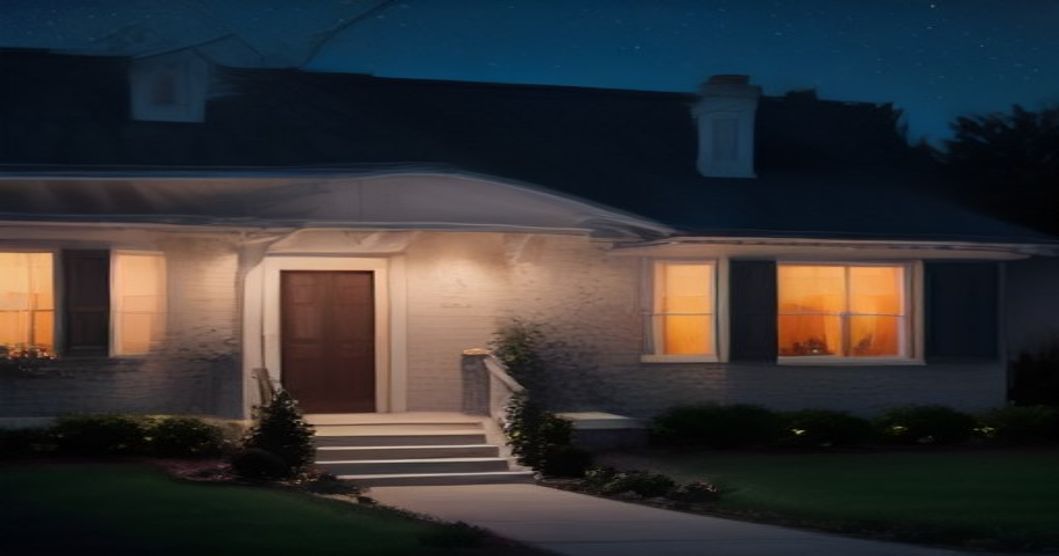
Drive through any established Pennsylvania neighborhood in December and you will instantly spot the difference between homes that glow with intention and homes that simply have lights on them. The ones that stop traffic share one quality: every element — the warm amber of roofline C9 bulbs, the crimson velvet bows on the garland, the soft gold shimmer on the boxwoods — feels like it was planned together. That cohesion does not happen by accident, and it almost never happens by grabbing whatever boxes are left at the hardware store in late November. It starts with a deliberate holiday lighting color scheme matched to the specific materials, proportions, and setting of your Pennsylvania home.
Why Your Exterior Material Is the Starting Point for Any Color Decision
Your home's exterior surface reflects, absorbs, and interacts with light in ways that fundamentally change how a color scheme reads after dark. Before you choose a single bulb, identify what your home is made of.
Brick Homes
Red and orange-toned brick — extremely common in Philadelphia row homes, Pittsburgh townhouses, and older Lancaster-area colonials — absorbs cool-toned light and can look muddy under blue-white LEDs. Warm white mini lights and warm white or gold C9 bulbs on the roofline bring out the natural richness of the masonry. A red and gold accent palette reinforces the warm family and feels traditional without competing with the brick's own color. Avoid pairing cool white with dark red brick; the contrast is harsh rather than elegant.
Stone Homes
Pennsylvania fieldstone and limestone — hallmarks of Chester County farmhouses, Bucks County estates, and Lehigh Valley colonials — have complex natural undertones of gray, tan, and blue. Both warm white and cool white can work on stone, making it one of the more forgiving exterior materials. Warm white creates a candlelit, historic atmosphere; cool white leans into the stone's natural gray tones for a more modern ice-palace effect. See our dedicated guide on blue and white winter themes for elegant ice-palace effects if your stone home skews toward gray.
Vinyl Siding
Vinyl siding in white, beige, or gray — one of the most prevalent exteriors in Pennsylvania suburbs from Harrisburg to Allentown — is a neutral canvas that responds well to both color temperatures. However, bright white vinyl under cool white lights can look clinical rather than festive. A warm white foundation softens the effect dramatically. Vinyl siding in darker colors (navy, forest green, charcoal) handles cool white or even mixed-color displays well because the dark field prevents the washed-out look.
Painted Wood
Classic painted-wood Victorians, craftsman bungalows, and Cape Cods — common throughout Scranton, Reading, and smaller Pennsylvania boroughs — often feature detailed trim work that rewards careful lighting placement. Warm white mini lights threaded along porch railings, fascia boards, and window frames highlight architectural detail without overwhelming it. Bold accent colors like red or blue C9 bulbs on a roofline above a painted-wood home read as a deliberate design choice rather than a mismatch when the foundation lights are consistent.
The Foundation Decision: Warm White vs. Cool White in Pennsylvania's Winter Light
Warm white and cool white are not just aesthetic preferences — they perform differently in Pennsylvania's specific winter environment, and understanding that difference is essential to a color scheme that works from Thanksgiving through New Year's.
Pennsylvania winters are characterized by long stretches of overcast sky, low sun angles, and frequent fog in river valleys like the Susquehanna and Delaware corridors. In that flat gray light, warm white (2700–3000K) reads as rich, amber, and inviting — it cuts through overcast conditions with a glow that feels alive rather than clinical. Cool white (5000–6500K) in the same flat light can appear stark, even slightly greenish, particularly on lower-quality LEDs. On a crisp, clear night with snow on the ground, however, cool white is spectacular — the blue-white light bouncing off fresh snow creates a genuinely magical atmosphere.
Our recommendation for most Pennsylvania homes: choose warm white as your foundation layer for mini lights on windows, shrubs, and architectural detail, and use cool white selectively as a contrast element only if your color palette specifically calls for it. A scheme built on warm white as the base is more forgiving across Pennsylvania's variable December weather.
For a deeper comparison of bulb types and how they perform on large-scale displays, read our mini lights vs. C9 bulbs Pennsylvania outdoor display comparison.
Building a Two-Color Accent Palette That Feels Cohesive
Once you have committed to a foundation light color, the next step is selecting one or two accent colors to layer in through roofline C9 bulbs, bows, and garland. Two colors are almost always more refined than three; three can work beautifully if handled with discipline. Four or more colors on a residential home almost always look cluttered.
Red and Gold: The Classic Pennsylvania Choice
Red C9 bulbs along the roofline above warm white mini lights on windows is one of the most timeless combinations in Pennsylvania residential holiday lighting. Add gold velvet bows to a fresh garland at the front door and on window boxes, and the scheme is complete. This palette works on virtually every exterior material — it is particularly stunning on brick and painted-white wood. Gold ribbon with red C9 bulbs avoids the flat, commercial look of red-and-green and feels genuinely upscale.
Blue and White: Crisp and Contemporary
Blue C9 bulbs paired with cool white mini lights create a sophisticated, wintry palette that suits stone homes, gray vinyl siding, and modern new construction. Blue bows or silver-blue ribbon on garlands complete the look. This combination performs especially well when there is snow on the ground — the cool tones interact with reflected light in a way warm colors cannot. It is also a natural fit for homes near Pennsylvania's many lakes and rivers, where the water association feels authentic. For ideas on integrating this into a full display, visit our post on symmetry and balance in holiday lighting design for Pennsylvania homes.
Red and White: Candy Cane Energy with Patriotic Undertones
Alternating red and white C9 bulbs on a roofline, paired with warm white mini lights on the body of the home, produces a bold, high-contrast display that reads clearly from the street even on foggy Pennsylvania evenings. White bows on a fresh garland keep the scheme from tipping into pure novelty. This combination is particularly effective on larger homes where the roofline is far enough from the viewer to blend individual red and white bulbs into a candy-stripe impression. Read more about this palette in our guide to red and white light combinations, candy cane themes, and patriotic elegance.
Green and White: Nature-Inspired and Understated
For homeowners who want a display that feels organic and blends with landscaping rather than announcing itself, warm white mini lights paired with deep green garlands, pine-cone-accented wreaths, and white satin bows is a quietly sophisticated choice. This palette works beautifully on fieldstone homes set into wooded lots — common throughout the Pocono foothills and Chester County. We cover this palette in depth in our post on green and white holiday lighting for nature-inspired Pennsylvania properties.
Palette Comparison Table: Which Color Scheme Suits Your Home
| Color Scheme | Best Exterior Materials | Foundation Light | C9 Roofline Color | Bow / Ribbon Color | Mood |
|---|---|---|---|---|---|
| Red & Gold | Brick, painted wood | Warm white | Red | Gold or burgundy | Traditional, upscale |
| Blue & White | Stone, gray vinyl, modern | Cool white | Blue | Silver-blue or white | Contemporary, elegant |
| Red & White | White/light vinyl, large colonials | Warm white | Alternating red & white | White or red | Bold, festive, classic |
| Green & White | Fieldstone, wooded settings | Warm white | Warm white or none | White or natural | Organic, understated |
| Warm White Only | Any — universally flattering | Warm white | Warm white | Red, gold, or white | Timeless, sophisticated |
Applying the Palette: Rooflines, Windows, Shrubs, and Entry Features
A great color scheme only works if the palette is applied consistently across every display element. Think of your home's exterior as having four lighting zones, each of which should carry the chosen palette.
- Roofline: C9 bulbs spaced 12–18 inches apart are the highest-visibility element of any residential display. The roofline color sets the dominant accent tone — keep it to one color (or a controlled alternating pattern for red-and-white schemes). Learn proper installation technique in our roofline lighting 101 guide for Pennsylvania homeowners.
- Windows and trim: Warm white or cool white mini lights outlining window frames and fascia boards create depth without competing with the roofline accent color. Window treatments like candle lights, wreaths with ribbon bows, and hanging garlands should all use the same bow color as the front entry.
- Shrubs and foundation plantings: Warm white mini lights netted over boxwoods, hollies, and ornamental grasses ground the display and connect the roofline to the landscape. Avoid mixing light temperatures here — if your windows are warm white, your shrubs should be warm white too.
- Front entry: The entry is where the color scheme tells its most detailed story. A fresh garland with matching bows, a wreath centered on the door, and flanking lanterns or post lights in the same color family pull everything together. Accent bow colors here should echo the roofline C9 color exactly.
For a deeper look at how window treatments contribute to overall display cohesion, see our post on window display lighting techniques for Pennsylvania homes.
When to Call a Professional for Color Scheme Execution
Planning a color scheme is one thing; executing it with consistent bulb spacing, matched color temperatures across different product lines, and safe roofline attachment is another. Many Pennsylvania homeowners discover mid-installation that their warm white mini lights from one manufacturer read noticeably different from another brand's warm white — a mismatch that is invisible in the box but obvious once lit.
Professional holiday lighting contractors source commercial-grade product in bulk from a single supplier, guaranteeing color consistency across every zone of your display. They also handle safe ladder work on steep Pennsylvania rooflines, proper clip installation that does not damage shingles, and weatherproofing connections against Pennsylvania's ice and wind. If you are working with a more complex palette — say, a three-color scheme across a large Victorian with multiple roofline planes — professional execution is the difference between a display that looks designed and one that looks busy.
Explore our full range of residential holiday lighting services to see how we approach color scheme planning and installation for Pennsylvania homeowners, or browse our complete services overview to understand everything we offer from design through removal.
Frequently Asked Questions
What is the best holiday lighting color scheme for a red brick Pennsylvania home?
Warm white is the best foundation light for red brick homes because cool-toned LEDs can make dark masonry look muddy after dark. The most flattering accent palette is red and gold — red C9 bulbs along the roofline, warm white mini lights on windows and shrubs, and gold or burgundy velvet bows on a fresh garland at the entry. This combination honors the warmth of the brick rather than competing with it. Avoid cool white or blue accent bulbs directly against red brick, as the contrast reads as jarring rather than elegant.
Should I use warm white or cool white mini lights on my Pennsylvania home?
For most Pennsylvania homes, warm white (2700–3000K) is the safer foundation choice. Pennsylvania's winter skies are frequently overcast and gray, and warm white cuts through flat winter light with a rich, amber glow that cool white cannot replicate in the same conditions. Cool white is most effective on stone or gray-toned exteriors, in schemes with blue or silver accents, and on nights with fresh snow on the ground when the blue-white tones interact dramatically with reflected light. When in doubt, warm white is more universally flattering and works across a broader range of weather conditions.
How many colors should I use in a holiday lighting display?
Most well-designed residential holiday lighting displays use a foundation color (warm or cool white) plus one or two accent colors — no more than three total. One accent color produces the cleanest, most sophisticated result; two accent colors can work beautifully when kept in the same color family (red and gold, blue and silver). Four or more colors on a residential home almost always produce a cluttered, unfocused result that reads as chaotic rather than festive. A disciplined two-color palette applied consistently across roofline C9 bulbs, bows, and garlands will always outperform a multi-color display used without a plan.
What bow and ribbon colors work best with warm white lights?
Warm white lights pair well with a wide range of bow colors because the amber foundation is neutral enough to complement both warm and cool accent tones. Red velvet bows are the most traditional choice and read strongly from the street. Gold or bronze satin ribbon adds a luxurious, upscale feel. Burgundy is a slightly more sophisticated alternative to red that works particularly well on older or historic Pennsylvania homes. White bows create a clean, monochromatic look when paired with warm white lights and green garlands. Avoid bright blue or cool silver bows with warm white lights, as the temperature mismatch is noticeable.
Can I mix C9 bulbs and mini lights in the same display?
Yes — mixing C9 bulbs and mini lights is not only acceptable, it is standard practice in professional holiday lighting design. C9 bulbs are large-format commercial bulbs used for roofline definition and large-scale structure; mini lights are used for detail work on windows, shrubs, garlands, and architectural trim. The key is keeping both product types in the same color temperature within each zone. Warm white C9s on the roofline should be paired with warm white mini lights on the body of the home. Mixing color temperatures — warm white C9s over cool white window lights, for example — creates a fragmented look that undermines the cohesion of the overall scheme.
When should I start planning my holiday lighting color scheme?
The ideal time to plan your holiday lighting color scheme is late summer — July through September. Professional holiday lighting contractors in Pennsylvania book installations quickly in October and November, and early planning gives you time to evaluate your home's exterior in daylight, review product samples, and make changes before the schedule fills. Booking early also guarantees product availability, since specific C9 bulb colors and commercial-grade mini lights in popular warm white tones sell out quickly. Read more about the advantages of early planning in our post on September holiday light booking for Pennsylvania homeowners.
Ready to put a color scheme together that genuinely suits your Pennsylvania home? Contact Holiday Lights Decor Pennsylvania for a free estimate — we will walk through your exterior materials, your design goals, and the palette options that will make your home the one the neighborhood remembers.