Key Takeaways
- Pennsylvania's prime holiday lighting installation window runs roughly October 15 through November 20 — just five weeks — and top crews are fully booked well before fall arrives.
- Booking in July locks in current-season pricing before material costs rise and secures your preferred installation date.
- A summer design consultation covers roofline measurements, product selection (C9 bulbs, mini lights, garlands, wreaths), and light color choices like warm white or multicolor before any installer sets foot on a ladder.
- Most professional lighting companies offer early-booking incentives including deposit discounts, complimentary storage, and priority scheduling for summer clients.
- Waiting until October means settling for leftover dates, rushed installs, and potentially higher pricing — the exact opposite of the show-stopping display you envisioned.
Picture this: it's the first week of November, your neighbors' rooflines are already glowing with warm white C9 bulbs, and you're on hold — again — trying to book a lighting crew that won't call back until December. Meanwhile, the homeowners down the street are calmly approving their final design mock-ups from a consultation they completed back in July, watching crews arrive precisely on schedule. That gap in experience isn't luck. It's the direct result of when they picked up the phone. Pennsylvania's holiday lighting season is one of the most compressed in the country, and the gap between a stunning display and a scrambled install often comes down to a single decision made in midsummer.
Why Pennsylvania's Install Window Is Shorter Than You Think
Pennsylvania's usable outdoor installation window for holiday lighting shrinks dramatically once October arrives. The combination of shorter daylight hours, unpredictable early frosts, and the sheer volume of residential and commercial jobs that converge simultaneously creates a bottleneck unlike any other home-improvement service category.
The Five-Week Crunch
Professional lighting installers across the state consider October 15 through November 20 the practical sweet spot: ground conditions are stable, temperatures allow adhesive clips and connectors to seat properly, and clients can see the result before Thanksgiving. That's roughly 36 days. Subtract weekends lost to rain — Pennsylvania averages more than 40 inches of precipitation annually, much of it in fall — and you're looking at perhaps 25–30 workable installation days for the entire state. Every residential, commercial, and municipal client competing for those days has to share that narrow calendar.
Why Prime Dates Book by September
The most experienced crews book their November calendars sequentially, starting with returning clients who re-signed in summer, then moving to new inquiries in order of deposit receipt. By September, the desirable mid-November slots — the ones that give homeowners a full three to four weeks of glowing displays before Thanksgiving — are typically claimed. What's left in October are early-November dates that require perfect weather luck, and late-November dates that don't leave much display time before December accelerates. If you've ever called a lighting company in October and been offered "we can fit you in November 22nd," you've experienced this firsthand.
For a deeper look at what that fall schedule looks like from the installer's side, our post on spring installation season and early planning walks through the full annual calendar.
What a July Design Consultation Actually Covers
A summer consultation is far more than a courtesy call — it's a structured design session that produces a binding plan before a single strand of lights is touched. Here's what a professional July walkthrough typically includes:
Site Assessment and Measurements
Your installer will measure roofline linear footage, count shrubs and trees slated for wrapping, document window dimensions for wreaths or candle displays, and photograph the property from street level. These measurements drive product quantities. A 120-foot roofline in warm white C9 bulbs on a 12-inch spacing requires exactly 120 sockets — knowing that in July means product is ordered before peak-season price increases hit distributors, typically in August and September.
Product and Color Selection
July consultations let you compare physical samples side by side in natural light rather than rushing through a catalog in October. Key decisions include:
- C9 bulbs vs. mini lights: C9s deliver bold, visible roofline presence; mini lights excel on bushes, trees, and window frames. Many properties use both. Our C9 vs. mini lights comparison breaks down the tradeoffs in detail.
- Warm white vs. multicolor: Warm white (typically 2700K–3000K) reads as classic and elegant, especially on stone or brick facades common throughout Pennsylvania. Multicolor schemes — red, green, blue, gold — work beautifully on colonials and craftsman-style homes and create the festive curb presence that multicolor advocates love.
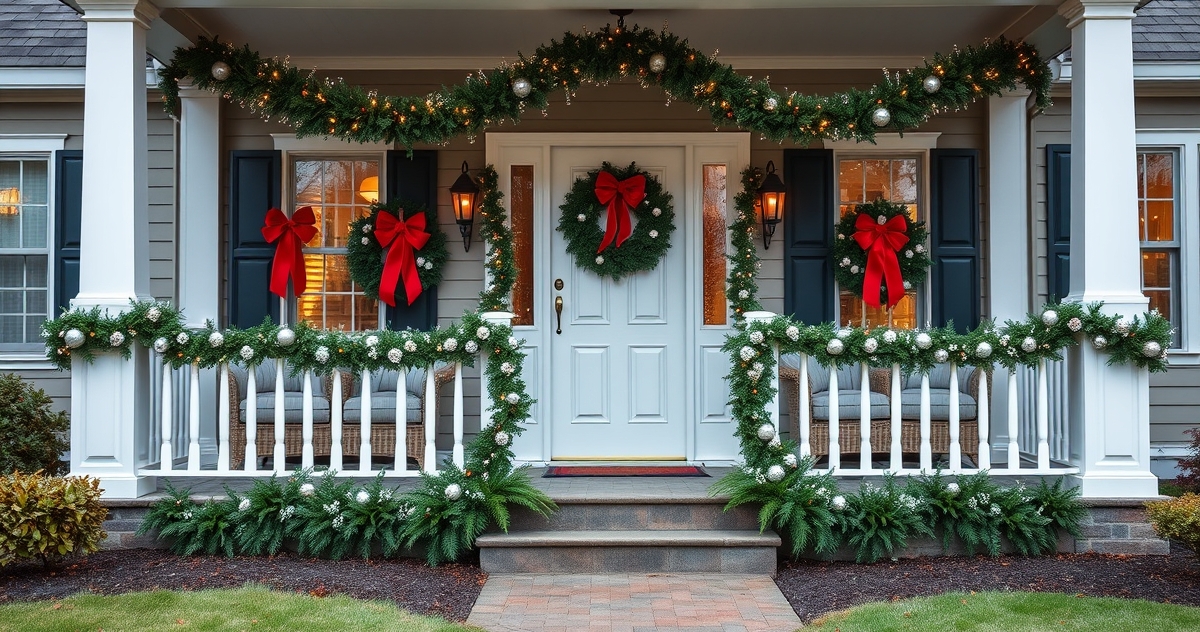
- Garlands and wreaths: Pre-lit garland along porch railings and window box rails extends the display below roofline level. Wreaths on doors and upper windows add symmetry. Discussing these in July means custom sizes are available; waiting until fall often means standard sizes only.
Design Rendering and Final Approval
Many professional installers now provide a digital rendering — a photo of your actual home with the proposed display overlaid — so you can approve placement, color, and density before any deposit clears. This step essentially eliminates the "this isn't what I imagined" conversation that plagues rushed October bookings. For homeowners interested in the design-through-installation process, our guide to custom holiday design in Pennsylvania is worth reading before your consultation.
How Early Booking Locks In Pricing
Material costs for commercial-grade C9 bulbs, LED mini light strings, pre-lit garlands, and outdoor wreaths follow a predictable seasonal curve: prices are flattest in late spring and summer, then climb 10–20% between August and October as wholesale demand spikes nationwide. A lighting company that purchases inventory in July passes those savings to early-booking clients; a company scrambling to source product in October cannot.
Typical Early-Booking Incentive Structures
| Booking Month | Typical Pricing | Install Date Control | Product Availability |
|---|---|---|---|
| July | Lowest (pre-surge) | First pick of November calendar | Full custom selection |
| August | Near-low | Strong mid-November availability | Most options available |
| September | Moderate increase begins | Limited prime dates remain | Some custom items backordered |
| October | Peak pricing | Early or late November only | Standard sizes only |
| November | Highest (rush premium) | Leftover slots, weather-dependent | In-stock only |
Beyond raw pricing, summer bookings often come with additional perks: complimentary off-season storage for custom hardware, waived design fees, and priority scheduling for the takedown and storage service in January. Our removal and storage service page explains how that program works for clients who want their custom display protected year after year.
The Case for Permanent and Semi-Permanent Lighting Infrastructure
One conversation that July consultations make possible — but October calls rarely do — is the permanent lighting infrastructure discussion. Permanent lighting systems use color-programmable LED fixtures mounted once along rooflines and soffits, then controlled via app to display holiday sequences, patriotic themes, or everyday architectural accent lighting year-round. Because installation requires drilling, wiring, and careful weatherproofing, this work needs to happen during a dry, temperate window — exactly what Pennsylvania summers offer.
Homeowners who go permanent eliminate the annual install and takedown cycle entirely, can change color schemes from warm white to multicolor to red-and-green in seconds, and recoup the installation investment over three to five seasons. Raising this option in July gives your installer time to design the system, order the correct fixture count, and schedule a dedicated installation day — none of which is realistic in a five-week fall crunch.
What Pennsylvania's Weather Adds to the Urgency
Pennsylvania weather does not follow a polite schedule. Lake-effect snow can push into northwestern Pennsylvania by late October; nor'easters can drop two inches of ice on rooflines statewide by early November. An installer trying to clip C9 strands to a frozen gutter in 28-degree temperatures is working slower, less safely, and with products that seat less cleanly than they would at 55 degrees. Our detailed look at how Pennsylvania weather affects holiday light installations covers this in depth — but the short version is that every degree below 40°F adds risk and time to an outdoor install.
Booking in July doesn't mean your lights go up in July. It means your lights go up on the right October or November day, by a crew that planned for your property, with materials that were ordered and tested before the weather turned.
Residential, Commercial, and Municipal Clients All Face the Same Calendar
One underappreciated dynamic in Pennsylvania's lighting market is that residential homeowners compete for installer time with commercial and municipal clients, not just their neighbors. A downtown retail corridor that needs roofline C9 strands, hanging stars, and garland across 30 storefronts commands multiple full crew-days. A township that's lighting a town square or park takes even more. These large accounts almost universally book in spring and summer.
If you're a homeowner wondering why it's hard to get a November call returned, the answer is often that the crew is already three weeks into a commercial run that was contracted in June. For commercial property managers reading this, our summer checklist for Pennsylvania office buildings and our restaurant holiday decor planning guide walk through the same early-booking logic applied to commercial contexts. And for retail storefronts, storefront holiday display design for Pennsylvania small businesses is essential reading.
The residential lighting service page outlines exactly what a full-service seasonal install includes for homeowners, from initial consultation through post-season takedown.
How to Get Started Before Summer Ends
The process is simpler than most homeowners expect. A brief phone call or online inquiry captures your address, property style, and rough goals (roofline only? full property with trees and shrubs?). From there, a site visit is scheduled — typically a 45-minute walkthrough that can happen on a weekday evening or weekend morning. You leave with a written proposal, a design rendering, and an exact installation date on the calendar.
Most companies require a deposit of 25–50% to hold the booking, with the balance due at installation. That deposit is what actually secures your crew and your November date — without it, the slot remains available to whoever calls next. For homeowners curious about what distinguishes professional installs from the DIY approach, our post on why Pennsylvania homeowners trust professional holiday lighting is a useful read before your consultation.
Frequently Asked Questions
Why does booking holiday lights in July actually matter for Pennsylvania homeowners?
Pennsylvania's outdoor installation season compresses into roughly five weeks between mid-October and late November, and professional crews fill their calendars sequentially from summer bookings forward. Homeowners who book in July secure the best mid-November installation dates, current-season pricing before material costs rise in August and September, and access to the full range of custom products — C9 bulbs, mini lights, pre-lit garlands, and custom-sized wreaths — before standard inventory runs low.
What does a July holiday lighting consultation involve?
A July consultation is a structured design session that includes on-site measurements of rooflines, trees, and shrubs; side-by-side product samples for C9 bulbs, mini lights, garlands, and wreaths; light color comparisons (warm white vs. multicolor); and in many cases a digital rendering showing the proposed display on a photo of your actual home. The result is a written proposal, a locked-in installation date, and a price guarantee — all confirmed before fall.
How much money can early booking save on holiday lighting in Pennsylvania?
Material costs for commercial-grade LED products typically rise 10–20% between July and October as wholesale demand increases nationwide. A professional company that sources inventory in summer passes those savings directly to early clients. Add typical early-booking incentives — waived design fees, complimentary storage, or discounted deposit terms — and summer bookings routinely cost 15–25% less than equivalent last-minute October or November requests, which also carry rush premiums.
Do I have to use permanent lights to benefit from summer booking, or does seasonal installation work too?
Both options benefit equally from summer booking. Seasonal installations — where C9 strands, mini lights, and décor elements are installed each fall and removed in January — are the most common choice, and early booking simply guarantees the best installation window for them. Permanent lighting systems, which use fixed LED fixtures controlled via app, are particularly well-suited to summer installation because the work requires favorable weather conditions, but they're not required to take advantage of early-booking pricing and scheduling benefits.
What happens if Pennsylvania has an early snowstorm and my scheduled install date gets pushed?
Reputable professional installers build weather contingency into their scheduling, typically holding buffer days specifically for rescheduled installs. Clients who booked early have more flexible rescheduling options because their original dates are in mid-November — leaving room to shift by a week if needed. Clients who booked in October often have no buffer available, because the calendar is already packed end-to-end. Early booking essentially gives you scheduling insurance that late bookings cannot offer.
Can commercial properties and small businesses also book summer lighting consultations?
Absolutely — in fact, commercial accounts almost universally require summer booking because of their scale. A multi-location retail chain, a restaurant with an outdoor patio, or a municipal plaza each involve more planning, more product, and more crew coordination than a typical residential project. Waiting until fall for a commercial inquiry nearly guarantees a declined quote. Summer booking is standard practice for commercial clients who want professional results.
The calendar fills up faster than most Pennsylvania homeowners realize, and the window to lock in the best dates, the best pricing, and a crew that has fully planned your display is open right now. Contact us today for a free estimate and let's design a holiday display worth coming home to.