Key Takeaways
- Classic warm-white C9 bulbs complement Pennsylvania's colonial and Victorian architecture with a timeless, incandescent glow that modern LEDs still struggle to fully replicate.
- Modern cool-white and color-changing LED systems offer dramatic energy savings — up to 75% less electricity — and are ideal for contemporary or craftsman-style homes.
- A hybrid approach lets homeowners enjoy both worlds: efficient LED technology on rooflines and trees paired with warm-toned accent pieces like wreaths and garlands.
- Pennsylvania's booking rush typically begins in September; locking in a design consultation before fall is the single best way to secure your preferred style and installation date.
- Professional installation ensures every bulb, clip, and run of mini lights is weatherproofed for Pennsylvania's unpredictable December ice, wind, and snow conditions.
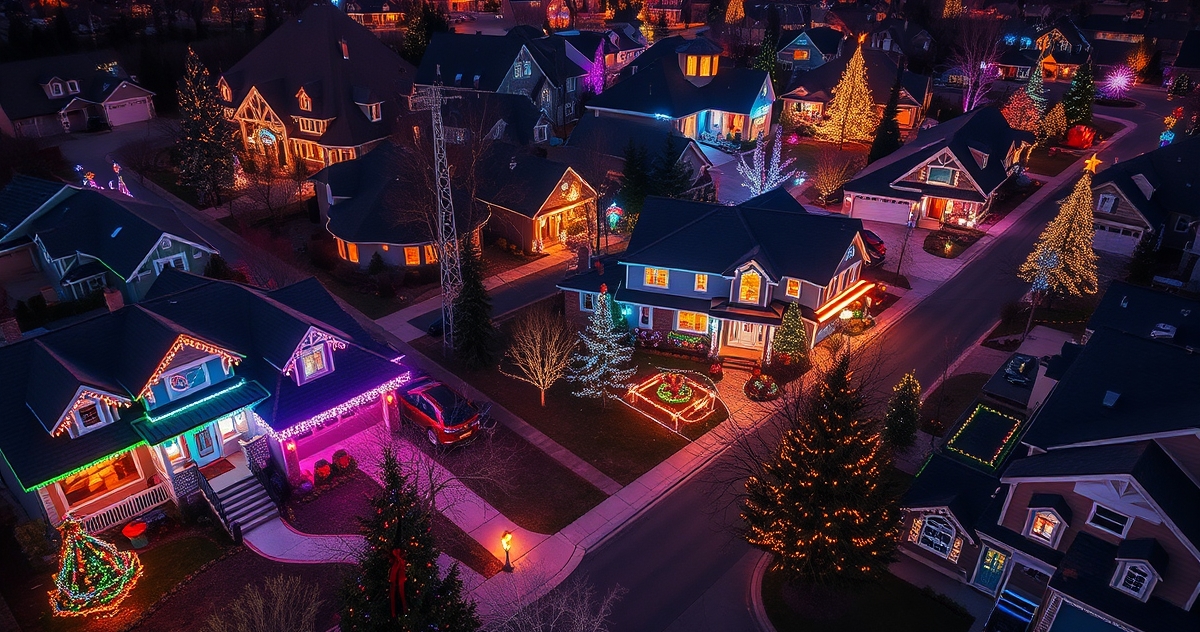
Picture two houses on the same block in a Lancaster County neighborhood on a cold December evening. The first glows amber and gold — oversized C9 bulbs marching along every roofline, warm white mini lights draped through the boxwoods, a fresh evergreen wreath with a red bow centered on the front door. The second pulses in cool white and sapphire blue, its LED strips programmable from a smartphone, color-changing net lights blanketing the lawn. Both are stunning. Both are completely, unapologetically Pennsylvania. The question is: which one is yours? Choosing between classic and modern holiday lighting styles isn't just an aesthetic decision — it's a conversation about your home's architecture, your neighbors, your energy bill, and the mood you want to create on the longest nights of the year.
What Defines Classic Holiday Lighting — and Why It Still Dominates Pennsylvania Neighborhoods
Classic holiday lighting is defined by warm-white and multi-color incandescent-style bulbs, traditional mounting patterns, and fixture choices that echo the mid-20th century origins of outdoor residential decoration. In Pennsylvania, this style has never gone out of fashion — and the reason is largely architectural.
The Commonwealth is home to an extraordinary concentration of colonial, Federal, Victorian, and Craftsman-era housing stock. Neighborhoods in West Chester, Doylestown, Bethlehem, and Gettysburg are filled with homes whose brick facades, dentil molding, and symmetrical window arrangements were practically designed to receive a run of warm-white C9 bulbs along the roofline. The amber glow of a C9 — typically 5-7 watts per bulb in LED retrofit form, or the classic 7-watt incandescent — mimics candlelight in a way that flatters historic masonry and painted wood trim without competing with it.
Key hallmarks of classic holiday lighting style include:
- C9 bulbs on rooflines and ridges — spaced 12 inches apart on a molded cord, these large-format bulbs are the backbone of traditional Pennsylvania displays. Learn more in our Roofline Lighting 101 guide for Pennsylvania homeowners.
- Warm-white mini lights on shrubs, trees, and porch railings — the 5mm or M5 bulb creates a soft, layered sparkle effect that reads as traditional even from a distance.
- Wreaths with warm-tone accents — fresh or pre-lit evergreen wreaths with red bows and warm-white integrated lights anchor the front entry and reinforce the classic palette.
- Multi-color C9 or mini-light strings on eaves and trees — the original American holiday look, mixing red, green, blue, gold, and orange in a joyful, exuberant pattern.
- Garlands and ribbon on porch columns and railings, often accented with battery or wired warm-white mini lights woven through the greenery.
For a deeper look at how Pennsylvania's Victorian heritage shapes lighting choices, see our post on Victorian Christmas traditions for historic PA homes.
Modern Holiday Lighting: Cool White, Color-Changing, and Connected
Modern holiday lighting is characterized by LED technology, cool or neutral white color temperatures, programmable color-changing capability, and a design aesthetic that favors clean lines, monochromatic palettes, and architectural precision. It arrived in force in Pennsylvania neighborhoods around 2010 and has accelerated rapidly as LED quality has improved.
Today's high-quality commercial-grade LEDs produce a crisp cool-white (5000–6500K color temperature) or a neutral white (3500–4000K) that suits contemporary, mid-century modern, and farmhouse-style homes particularly well. A new construction home in Malvern or a renovated craftsman in the Strip District neighborhood of Pittsburgh benefits from the sharp, graphic quality of cool-white C9s or LED net lights — the cooler tone complements gray siding, dark trim, and clean architectural lines in a way that warm white simply doesn't.
Modern system features Pennsylvania homeowners frequently request include:
- Color-changing RGB or RGBW LED nodes — a single strand can shift from cool white to deep red to festive multi-color on a schedule or via app control.
- Permanent LED channel systems — installed once in the eave, operational year-round for any holiday or occasion. Explore this option at our permanent lights service page.
- Cool-white mini lights at high density — 70–100 lights per foot on specialty wraps give evergreen trees a frosted, sculptural appearance that photographs extremely well.
- Smart timers and app control — modern systems can be set to illuminate at sunset, dim at 11 p.m., and run on custom holiday schedules without manual intervention.
- Low energy draw — a 100-foot run of LED C9s draws roughly 7 watts versus 175 watts for comparable incandescent strings, a 96% reduction that matters across a whole-home display running 6–8 hours a night.
Classic vs. Modern: A Side-by-Side Comparison
No single style wins on every dimension — the right choice depends on your home, your priorities, and your budget. The table below compares the two approaches across the criteria Pennsylvania homeowners most commonly raise during design consultations.
| Criteria | Classic Style | Modern Style |
|---|---|---|
| Best Architecture Match | Colonial, Victorian, Federal, brick rancher | Contemporary, craftsman, farmhouse, new construction |
| Primary Color Palette | Warm white, multi-color, red/green | Cool white, neutral white, color-changing RGB |
| Energy Use (per 100 ft) | ~175W (incandescent) / ~7–10W (LED retrofit) | ~5–8W (full LED) |
| Visual Effect at Distance | Warm, nostalgic amber glow | Crisp, graphic, high-contrast |
| Flexibility | Fixed palette each season | Color-changeable year-round |
| Upfront Cost | Lower to moderate | Moderate to higher (permanent systems) |
| Long-Term Value | Annual rental/install options available | Permanent systems amortize over 10+ years |
| Wreath / Greenery Pairing | Natural — warm tones complement evergreen | Works best with white or minimal greenery |
For an even more granular technical breakdown, our mini lights vs. C9 bulbs comparison walks through bulb-by-bulb specifications.
How Pennsylvania Architecture Guides the Choice
Pennsylvania's built environment is one of the most architecturally diverse in the eastern United States, and that diversity is the single most reliable guide to lighting style selection. Here's how to read your home's bones:
Colonial and Federal Homes
Symmetry is everything in colonial design. A single run of warm-white or classic multi-color C9 bulbs along the roofline, precisely spaced at 12 inches, honors that symmetry and adds celebration without disruption. Warm-white mini lights woven into boxwood hedges and a matching wreath centered on the front door complete a display that looks like it belongs — because it does.
Victorian and Queen Anne Homes
The ornate trim, wraparound porches, and turret features of Victorian homes in neighborhoods like Wilkes-Barre's historic district or Harrisburg's Midtown actually invite layering. Warm-white C9s on rooflines, garlands with warm mini lights on every porch rail, wreaths with red bows in every window — Victorian homes can carry more decoration than almost any other style without looking cluttered. Our post on window display lighting techniques for Pennsylvania homes goes deeper on wreath and candle placement for this style.
Contemporary and New Construction
Clean rooflines, large windows, and minimal exterior ornamentation define modern Pennsylvania homes. Here, cool-white LEDs in precise geometric runs read as intentional and sophisticated. A color-changing permanent channel system allows the home to celebrate every holiday — from red-white-blue in July (see our patriotic C9 display guide) to warm amber in November — without a single ladder trip per season.
Farmhouse and Craftsman
These styles occupy a comfortable middle ground. Neutral-white or soft warm-white LEDs work beautifully, as does a restrained classic palette of warm white with natural greenery accents — think cedar garlands, magnolia wreaths, and linen ribbon rather than red velvet bows.
The Hybrid Approach: Getting the Best of Both Worlds
The most popular choice among Pennsylvania homeowners who work with a professional lighting designer isn't purely classic or purely modern — it's a thoughtful hybrid that borrows the best elements of each style. Hybrid displays now represent the majority of new residential installations across the state, and for good reason: they deliver energy efficiency without sacrificing warmth, and visual drama without looking cold or clinical.
A well-executed hybrid display might look like this:
- Roofline: Warm-white LED C9 bulbs — modern energy draw, classic amber appearance. At 5 watts per bulb in a high-CRI LED, you get the glow of a traditional incandescent at a fraction of the operating cost.
- Trees and shrubs: Warm-white LED mini lights at high density — 100 lights per 6-foot section gives shrubs a luminous, full appearance that reads as traditional from the street. Our bush and shrub lighting guide covers summer installation timing.
- Entry and accents: Fresh or pre-lit wreaths with warm-white integrated LEDs, red or natural ribbon, and optional battery-powered candles in windows — quintessentially classic, zero wiring required.
- Color accent points: A single color-changing LED spotlight aimed at the home's façade or a feature tree lets the homeowner shift from warm white to cool blue-white to multi-color for different occasions, all from a phone app.
This approach is detailed further in our exploration of nature-inspired green and white lighting themes, which pairs organic materials with efficient LED technology throughout.
Why a Design Consultation Before Fall Changes Everything
Pennsylvania's holiday lighting installation season runs from mid-October through late November, and the best installation slots — along with the best pricing — go fast. By September, many professional lighting companies have booked 60–80% of their residential calendar. Locking in a design consultation in July or August accomplishes several things at once: you secure your preferred installation window, you have time to source specific fixtures like custom-length C9 cords or oversized commercial-grade wreaths, and you avoid the rushed decision-making that leads to displays that don't quite fit the house.
A professional consultation typically covers:
- Architectural measurement and roofline mapping for accurate bulb counts
- Color temperature and palette selection matched to the home's exterior finish
- Energy use projection and comparison across classic, modern, and hybrid options
- Removal and storage scheduling — because the best time to plan takedown is before the lights go up. See our removal and storage service for details.
- Multi-year planning for permanent or semi-permanent infrastructure
Homeowners who book early consistently report higher satisfaction with their displays, simply because the design conversation wasn't rushed. Our post on Christmas in July early booking outlines exactly why summer is the ideal planning window across Pennsylvania.
Whether you're leaning toward a traditional warm-white C9 display that honors your 1890 Victorian's original character, a cool-white LED system that makes your new construction look like an architectural feature, or a hybrid that balances both, our team works through every detail before a single clip touches your roofline. Explore the full range of what's possible on our residential services page.
Frequently Asked Questions
What is the difference between classic and modern holiday lighting styles for Pennsylvania homes?
Classic holiday lighting uses warm-white or multi-color bulbs — typically C9s and mini lights — in traditional mounting patterns that complement older architectural styles like colonial and Victorian. Modern holiday lighting relies on cool-white or color-changing LED technology, often programmable and sometimes permanently installed, suited to contemporary or craftsman homes. Both styles are widely used across Pennsylvania; the best choice depends on your home's architecture, your preferred color palette, and your energy efficiency goals.
Do warm-white C9 bulbs really look better on historic Pennsylvania homes than cool-white LEDs?
Yes — for most historic Pennsylvania homes, warm-white C9 bulbs (2700K–3000K color temperature) are a significantly better architectural match than cool-white LEDs (5000K+). Warm white mimics candlelight and complements brick, painted wood trim, and masonry in a way that cool white, which reads as bluish or clinical, does not. That said, high-quality warm-white LED C9 retrofits now deliver nearly identical visual warmth at a fraction of the energy cost, so homeowners no longer have to choose between aesthetics and efficiency.
Can I mix classic and modern holiday lighting on the same home?
Absolutely — hybrid displays are the most popular choice among Pennsylvania homeowners working with a professional designer. A typical hybrid uses warm-white LED C9 bulbs on the roofline for a classic appearance, high-density warm-white mini lights on shrubs and trees, traditional evergreen wreaths at entry points, and one or two programmable color-accent LED elements for flexibility. The key is maintaining a consistent color temperature across the primary fixtures so the display reads as cohesive rather than mismatched.
How much energy do modern LED holiday lights save compared to classic incandescent bulbs?
Modern LED holiday lights use approximately 75–96% less electricity than comparable incandescent strings. A 100-foot run of traditional C9 incandescent bulbs draws roughly 175 watts; an equivalent LED C9 string draws 7–10 watts. For a whole-home Pennsylvania display running 7 hours per night across a 45-day season, that difference can represent $80–$150 in energy savings — meaningful on large displays with hundreds of C9s and thousands of mini lights.
When should I book a holiday lighting consultation in Pennsylvania?
The ideal window for booking a holiday lighting design consultation in Pennsylvania is July through August. Installation slots from mid-October through late November fill quickly — many professional companies are 60–80% booked by September. Booking in summer gives you time for a thorough design conversation, accurate measurement, custom fixture sourcing, and first-choice scheduling for both installation and removal. Early booking also frequently comes with better pricing before peak-season demand takes effect.
What types of wreaths work best for classic versus modern holiday displays?
For classic displays, fresh-cut or high-quality faux evergreen wreaths with warm-white integrated mini lights, red velvet ribbon, and natural accents like pinecones or holly berries are the traditional choice — they reinforce the warm, organic character of the display. For modern displays, minimalist wreaths with cool-white or no integrated lights, metallic or neutral ribbon, and clean geometric forms complement the crisp LED aesthetic. Hybrid displays often use classic warm-tone wreaths as a deliberate counterpoint to cool-white roofline LEDs, softening the entry while maintaining overall energy efficiency.
Ready to decide which style — classic, modern, or the perfect blend of both — belongs on your Pennsylvania home this season? Contact us today for a free design consultation and let's lock in your look before the fall booking rush begins.