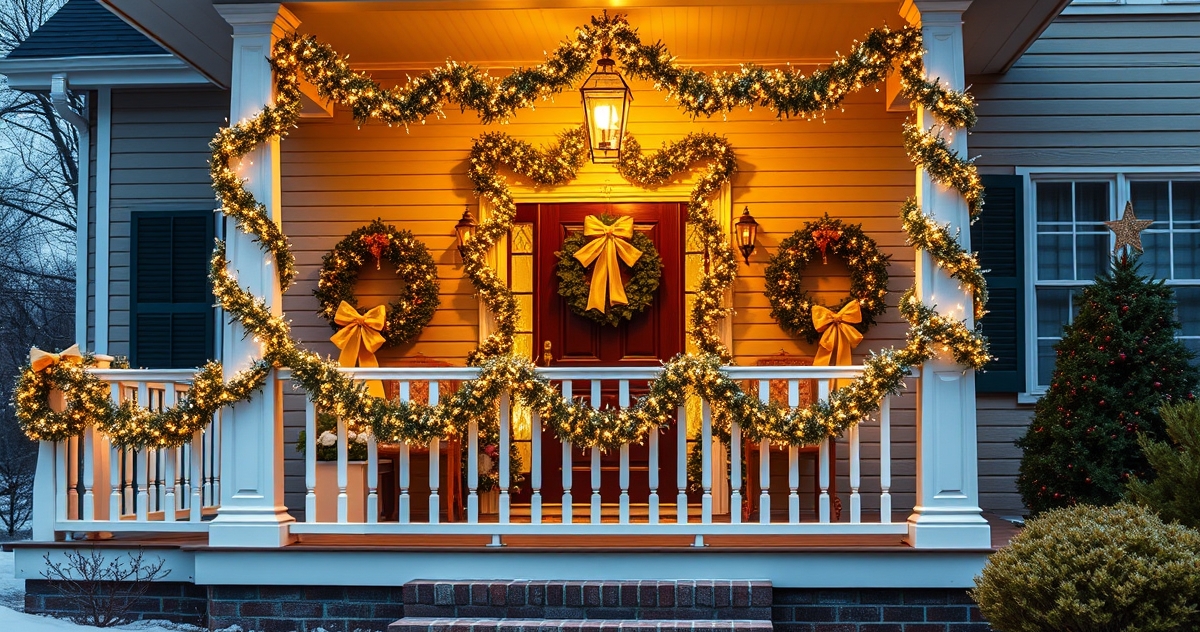
The glow from your front windows should stop neighbors in their tracks. When warm white mini lights frame each window and garlands drape elegantly across the sills, your home becomes the crown jewel of the neighborhood. Window display lighting transforms ordinary glass into magical portals that radiate holiday warmth from inside your Pennsylvania home.
Professional window display lighting goes far beyond simply hanging a few string lights. It requires understanding proportion, layering techniques, and weather protection strategies that keep your displays stunning through Pennsylvania's unpredictable winter weather.
Understanding Window Framing Fundamentals
Every window tells a story through its proportions and architectural details. Large picture windows demand bold statements with substantial lighting, while smaller casement windows shine with delicate, precisely placed mini lights. The key lies in matching your lighting scale to your window's personality.
For standard double-hung windows, outline the entire frame with warm white mini lights, securing them every 6-8 inches along the trim. This creates a clean, elegant border that enhances your home's architecture without overwhelming it. Larger bay windows benefit from individual treatment of each section, creating depth and visual interest.
Colonial and Tudor-style homes feature distinctive window shapes that require specialized approaches. Arched windows need flexible lighting that follows curves smoothly, while multi-pane windows can incorporate lighting patterns that highlight the grid structure. Always consider your home's historical character when planning your residential holiday lighting display.
Professional installers measure each window precisely, calculating the exact footage of mini lights needed to create seamless lines without gaps or bunching. This attention to detail separates amateur installations from professionally crafted displays.
Mastering the Art of Layered Lighting
Single-strand window lighting looks flat and uninspiring. True visual drama emerges through thoughtful layering that creates depth and richness. Start with your foundation layer — the window frame outline in warm white mini lights. This establishes your basic structure and ensures even illumination.
The second layer introduces garlands, which add texture and organic curves to contrast against geometric window frames. Pre-lit garlands work beautifully along window sills, while plain garlands allow you to customize the lighting density and color. For traditional Pennsylvania colonial homes, rich green garlands with warm white mini lights create timeless elegance.
Your third layer might include accent elements: subtle interior lighting that glows through the glass, creating depth and warmth. Table lamps positioned near windows, illuminated holiday trees, or strategically placed candles all contribute to the layered effect.
Consider multicolor options for family-friendly displays that capture childhood wonder. Multicolor mini lights interwoven with garlands create festive, welcoming windows that appeal to children and adults alike. Balance bright colors with neutral garland bases to prevent overwhelming the overall design.
The layering extends to timing and control systems. Professional installations often include dimmer controls or timers that allow different layers to illuminate at different times, creating dynamic displays that change throughout the evening.
Weather Protection Strategies for Pennsylvania Climates
Pennsylvania winters test every outdoor decoration with freezing rain, heavy snow, and bitter winds. Your window display lighting must withstand these challenges while maintaining its beauty throughout the season. Professional weatherproofing begins with product selection and extends through installation techniques.
Choose LED mini lights rated for outdoor use with proper IP ratings for moisture protection. These lights generate less heat than incandescent bulbs, reducing snow melt and refreeze cycles that can damage both lights and your home's exterior. Quality LED mini lights also maintain consistent color and brightness despite temperature fluctuations.
Secure all connections with weatherproof covers and position them away from direct snow accumulation. Professional installers use specialized clips that grip window trim firmly without damaging paint or wood. These clips accommodate thermal expansion and contraction that occurs during Pennsylvania's freeze-thaw cycles.
Garlands require special attention in harsh weather. Natural garlands need adequate drainage to prevent ice buildup, while artificial garlands should be UV-resistant to prevent fading during sunny winter days. Secure garlands at multiple points to prevent wind damage, and choose attachment methods that won't stain or damage your siding.
Regular maintenance throughout the season ensures your displays remain pristine. After major storms, inspect connections and test all circuits. Professional maintenance services can handle these checks, ensuring your custom lighting design continues performing beautifully.
Design Principles for Maximum Impact
Exceptional window display lighting follows proven design principles that create harmony between your home's architecture and the surrounding landscape. Proportion remains paramount — oversized decorations dwarf small windows, while tiny lights disappear on large expanses of glass.
Create visual rhythm by repeating elements across multiple windows. If your front-facing windows feature garlands with warm white mini lights, continue this pattern on side windows visible from the street. This repetition unifies your entire facade into a cohesive holiday statement.
Consider sight lines from different vantage points. Your display should look stunning from the street, but also consider views from your driveway, sidewalk approaches, and even second-story perspectives. Professional designers map these sight lines during the planning phase.
Balance symmetry with natural variation. Perfect symmetry can appear rigid and institutional, while too much variation looks chaotic. Aim for harmonious balance that feels intentional and welcoming. This might mean identical treatments for matching windows while allowing unique solutions for architectural features like bay windows or dormers.
Color temperature consistency maintains professional appearance throughout your display. Mixing warm white and cool white mini lights creates jarring contrasts unless done intentionally for specific effects. Choose your palette early and maintain it across all elements.
The integration with other landscape lighting elements ensures your window displays complement rather than compete with roofline lights, pathway illumination, and tree wrapping.
Professional Installation Techniques
Professional window display installation requires specialized tools, techniques, and safety protocols that ensure both beautiful results and protection for your home. The process begins with detailed measurements and planning that accounts for electrical requirements, mounting options, and aesthetic goals.
Proper mounting techniques protect your home's exterior while providing secure attachment points for lights and garlands. Professional installers use clips specifically designed for different siding materials — vinyl, wood, brick, or stone each requires appropriate hardware. Never use staples, nails, or screws that penetrate your home's weather barrier.
Electrical planning ensures adequate power distribution without overloading circuits. Professional installations include GFCI protection and weatherproof connections that meet local electrical codes. This planning phase prevents the flickering, dimming, or complete failures that plague amateur installations.
Quality installers test every circuit before declaring the job complete. This testing includes checking for proper grounding, secure connections, and consistent illumination across all elements. Professional installations come with maintenance support and warranty protection that gives homeowners peace of mind throughout the season.
The removal process receives equal attention to installation. Professional services carefully remove all elements without damaging your home's exterior, properly store reusable components, and dispose of worn items responsibly. This comprehensive approach protects your investment for future seasons.
Consider how professional techniques complement other holiday elements like professional tree wrapping and custom wreath installations to create unified displays.
Timing and Seasonal Considerations
Successful window display lighting requires strategic timing that maximizes enjoyment while working within Pennsylvania's seasonal constraints. Installation typically begins in late October or early November, allowing displays to debut for Thanksgiving and continue through New Year's Day.
Early installation provides advantages beyond extended enjoyment. November weather often offers more favorable conditions than December's harsh storms and bitter cold. Professional installers can work more efficiently and safely during milder temperatures, resulting in better installations.
Consider your neighborhood's lighting traditions when planning your timeline. Some communities coordinate lighting ceremonies or encourage simultaneous debuts that create neighborhood-wide spectacles. Early communication with professional installers ensures availability during peak demand periods.
Energy management becomes crucial during extended display periods. LED mini lights offer significant energy savings compared to traditional incandescent options, while timer controls reduce consumption and extend bulb life. Professional installations often include smart controls that adjust timing based on sunset schedules and special occasions.
Plan removal timing to balance continued enjoyment with practical considerations. Most displays remain attractive through early January, but extended exposure to harsh winter weather can damage components and increase maintenance requirements.
Frequently Asked Questions
How many mini lights do I need for standard residential windows?
Standard double-hung windows typically require 75-100 warm white mini lights for complete frame outlining, while larger picture windows may need 150-200 lights. The exact count depends on your window dimensions and desired light density. Professional installers measure precisely and calculate requirements during the planning phase, ensuring you have adequate lighting without waste.
Can garlands and mini lights withstand Pennsylvania's harsh winter weather?
Quality outdoor-rated garlands and LED mini lights are specifically designed for harsh climates including Pennsylvania's freeze-thaw cycles, snow, and ice storms. Professional installations use weatherproof connections and proper drainage techniques that prevent damage. Regular maintenance checks ensure displays remain beautiful throughout the season, even during severe weather events.
What's the best way to integrate window lighting with existing landscape lighting?
Successful integration requires consistent color temperature and complementary intensity levels across all lighting elements. Warm white mini lights on windows pair beautifully with similar tones on trees and walkways, while multicolor displays work best when balanced with neutral pathway lighting. Professional designers create unified lighting plans that consider all elements together rather than treating windows as isolated features.
How far in advance should I schedule professional window display installation?
Book professional installation services by early October for November installation dates. Peak demand occurs during late October and November, making early booking essential for preferred timing. Professional installers often offer early booking discounts and can provide detailed planning consultations that ensure your display meets your vision and budget requirements.
Are there energy-efficient options for extensive window display lighting?
LED mini lights consume up to 80% less energy than traditional incandescent bulbs while providing superior durability and consistent color. Timer controls and smart systems further reduce energy consumption by optimizing operating schedules. Professional installations can include energy monitoring systems that track usage and identify opportunities for additional savings while maintaining stunning visual impact.
Professional window display lighting transforms your Pennsylvania home into a neighborhood showcase that captures the magic of the holiday season. From precise framing techniques to weatherproof installation methods, every detail contributes to displays that remain stunning throughout winter's challenges. Contact our professional lighting team to discuss your vision and discover how expertly crafted window displays can make your home the highlight of your street.